Because Govenie includes three illuminating works - Fasting, Confession and Communion - these three things should lead to as much constancy and frequency [in the spiritual life] as possible.
I. Concerning Fasting
- Observing all the great fasts, or spending all of them in fasting; that is, more than just continence, so that the flesh feels a lack, an insufficiency, or a little pain. A certain number of days are set aside during the fast for preparation, when you must abandon all business and concentrate exclusively on cleansing the conscience. Otherwise, during the fast business goes on as usual; fasting relaxes and other activities are determined by opportunity. Only wearing out the flesh and denying it all consolations, as in a decent mourning period, gives ease to the spirit and attracts the grace of God. What a potent means of inspiration there is in this!
- Observing the fasts on Wednesday and Friday. This strongly reminds man from time to time that he is not free but in slavery and bears a burden. It stanches the flood of sensuality, sobers and imparts vigor. It is like a short break for the stallion from the cruel bit and bridle.
- Besides this, voluntary fasting on other particular days, especially Mondays, as is customary. Some people deny themselves certain foods and always eat lenten foods, others alternate days, and so on. There are various forms of fasting and all of them are beneficial and advisable, according to one’s strength and zeal.
II. Concerning Confession
- Every sin that burdens the conscience should be quickly cleansed by repentance without waiting for any particular time of preparation. It is good to not keep it in your soul for even one day, and, even better, for less than an hour, for sin drives away grace and deprives one of boldness in prayer; and the longer one holds on to it, the more it hardens and cools the heart. Once it is driven away by repentance, it leaves a compunctionate dew of tears.
- Every day before you go to sleep, make a private confession to the Lord of everything in which you have sinned. Thoughts, desires, senses and passionate movements, as well as any impurity even in righteous deeds, must be revealed to God. Even though we may have sinned, as it were, against our own will, the sin is still within us, making us impure and indecent before God and our own sense of purity and perfection. Lying down to sleep is like departing for the other world. Confession prepares us for this. During sleep, whatever we have acquired during the day becomes part of our nature; we must cleanse it and cast out all indecency with contrition. Then we will be clean.
- Make a confession minute by minute, that is, every impure and blameworthy thought, desire, feeling and movement confess as soon as you realize it to the all-seeing God with contrition of spirit and ask forgiveness for it and the strength to avoid it in the future. Ask that you be cleansed from all impurity in that moment. This activity is very salvific. It is like wiping your eyes as you walk against the dust, and it requires strict attention to the heart. The concentrated man is always fervent and zealous. But whoever does not exile thoughts and desires by contrition and repentance, leaves the wound in his heart. How many unnoticed wounds we often have, how many arrows! It s not surprising that we grow cold and fall. One thought leads to another and they easily give birth to desire. One desire and another give birth to consent, and then an inner adultery has been committed, and we have fallen. He who constantly repents cleanses himself of all this and clears his own path.
- Reveal every perplexity, confusion or new understanding to another of like mind with you, or to your spiritual father, so that he would decide and discern its worth, and pronounce a judgment. This is how to avoid an impasse or digression. Curtail the habit of deciding everything for yourself, and as a result, save the time that is sometimes wasted in empty daydreaming. But mainly, it is a constant safeguard, a firm, unwavering conviction which engenders firmness of will and reliability of action.
- Through all of these activities confession truly becomes ceaseless. The spirit is restrained in contrition, compunction, self-abasement, and prayerful supplication - which means that it is alive. It is the most suitable of all activities for preserving the spirit of zeal and the heat of fervor, so that some have even limited all spiritual work for themselves as well as for others to one thing: repenting every minute and weeping over their sins.
III. Concerning Communion
- Go as often as possible to Liturgy. And as it is celebrated, stand in firm and bright faith in the sacrifice that is being made to God. The sacrament of the Divine Body and Blood is Divine Food for the Christian and a sacrifice. Not everyone receives Communion at every Liturgy, but the sacrifice is brought from all and is for all. Therefore all should participate in it. We participate with our faith, our pained contrition over our sins, our self effacing falling down before the Lord Who has sacrificed Himself like a lamb for the life of the world.
Concentration on this Mystery alone powerfully enlivens and awakens the spirit. Faith and contrition always bring cleansing from sins, and often also a treasured touch from the Lord upon the heart of the Christian, delighting and enlivening him as a sort of communion in spirit.
Such a touch is sweeter than honey and the honeycomb and more fortifying than all spiritual fortifications. But it must be remembered that it is entirely a gift of God. When, to whom and how He will grant it depends on the Lord Himself. The Chrsitian should receive it with reverence, joy and triumph if it is granted. But he should not try to force it, or invent some method to obtain it. It is even better not to trust that it even happens, or that what does happen is truly it. This is in order to avoid getting puffed up or falling into prelest[delusion].
2. If it is impossible to go to church, then do not let the hour of the holy and Divine Sacrifice pass without sighing and turning to God. If possible, stand in prayer and make a few prostrations. Terrifying natural phenomena make all creatures tremble: for example, thunder earthquakes or storms. At the moment the Divine Sacrifice is celebrated in church, something occurs that is more awesome and greater than anything on earth or in heaven; but it occurs invisibly, spiritually, before the face of the infinite Triune God, the holy angels and the entire assembly of the heavenly Church, before the eyes of faith of all who struggle and live on earth. It is invisible but real nevertheless. Therefore, the believer should not let these moments slip past his attention. When he remembers it, this remembrance alone warms the spirit and enraptures him to God, by which grace is drawn down.
This is how the work of govenie can approach ceaselessness, so that along with inner work, the heart of zeal and the spirit of quest can be preserved in constant tension and power. With their aid, all podvigs[ascetic self-denial] of body and soul can be turned into salvific means of growing and strengthening our inner man.
Such is the general order of guiding rules. Being based in the [realities] of life, they are essential to everyone who seeks the Lord.
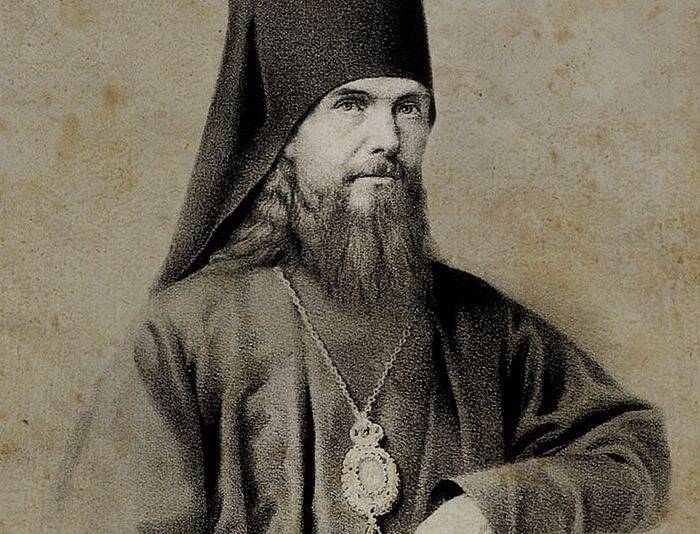
From The Path to Salvation: A Manual of Spiritual Transformation by St. Theophan the Recluse Published by St. Paisius Monastery, Safford, Arizona 2006
Add comment
Comments